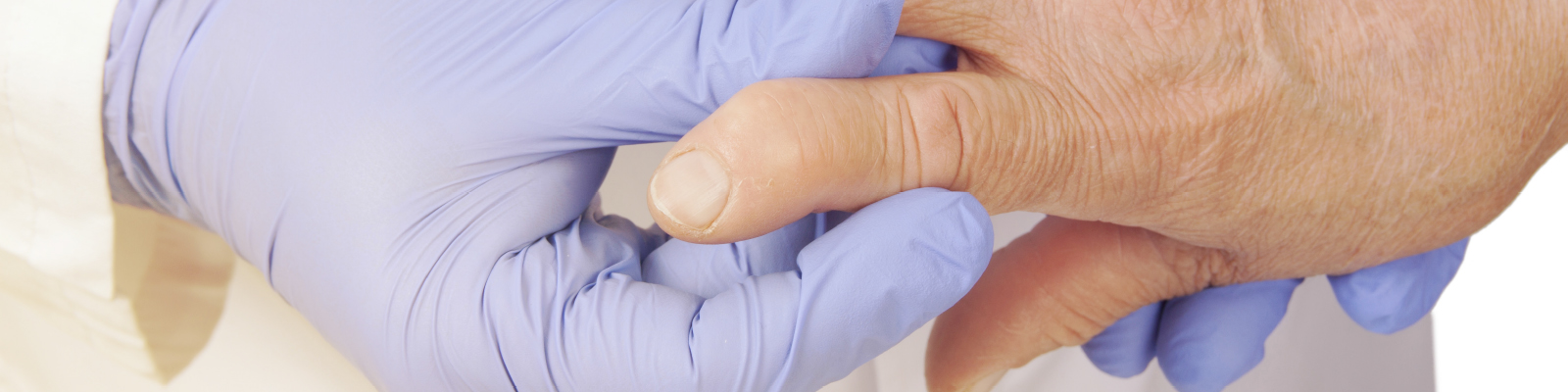
All about arthritis
So, what is arthritis?
Well, first of all, you may be surprised to learn that it’s not one single disease.
In fact, there are more than 100 different types of arthritis. The most common kind is osteoarthritis, followed by rheumatoid arthritis. These conditions are characterised by joint inflammation, joint swelling, stiffness and pain.
It’s important to note that arthritis isn’t reserved for the elderly: people of all ages, genders and races can be affected by arthritis.
Causes
Osteoarthritis is also known as degenerative arthritis, which is associated with ageing. Normal wear and tear causes the cartilage between joints to reduce. An infection or injury can contribute to this natural process. Your risk may be higher if you have a family history of the illness.
Rheumatoid arthritis is an autoimmune disorder, which means that your body’s immune system starts to attack its own tissue in the joints.
Symptoms
- Pain and stiffness in the joints, especially those with heavy use such as the hips and knees
- Pain that worsens after exercise or pressure on the joints
- Redness of skin around the joint
- Difficulty sleeping due to pain
Diagnosis
If you feel any of these symptoms, it’s best to discuss them with your Healthcare Professional. They can diagnose arthritis with a physical exam where they check for fluid around your joints, as well as for redness and stiffness.
Inflammation levels in your blood and joint fluid can also be tested, while X-rays or CT scans can give an image of your bones and cartilage.
Treatment
Painkillers and anti-inflammatory medication can be prescribed by your doctor, as well as cortisone injections in your joints if necessary to reduce inflammation. In very extreme cases surgery may be required, such as a knee or hip replacement.
You can also benefit from maintaining a healthy lifestyle by:
- Exercising regularly. It’s a myth that those with arthritis shouldn’t break a sweat! Just speak to a physical therapist to give you the right kind of exercises. Swimming is recommended as it doesn’t put pressure on your joints like running or walking does
- Losing weight if you are overweight, as this may put unnecessary pressure on your joints
- Going for occupational or physiotherapy
- Using heating pads or cooling ice packs on affected joints
- Eating a diet rich in omega-3 fatty acids
Arthritis myths, busted!
There’s an old wives’ tale that putting salt in your shoes will help cure arthritis. They believed that the salt would draw moisture from the body, and alleviate the pain in your joints. It goes without saying that there’s no need to go and start seasoning your shoes!
Other myths are that you can cure arthritis by eating anti-inflammatory spices like turmeric. While these spices may have these properties, there has been no conclusive study to show that they help much. That said, it won’t do any harm to eat a curry now and again anyway.
The biggest misconception of all is that there is nothing you can do about having arthritis. With the right management and with a healthy lifestyle, you can be in control of your condition and overall health.